The Sweet Secret to Summer Sugar Snap Pea Success
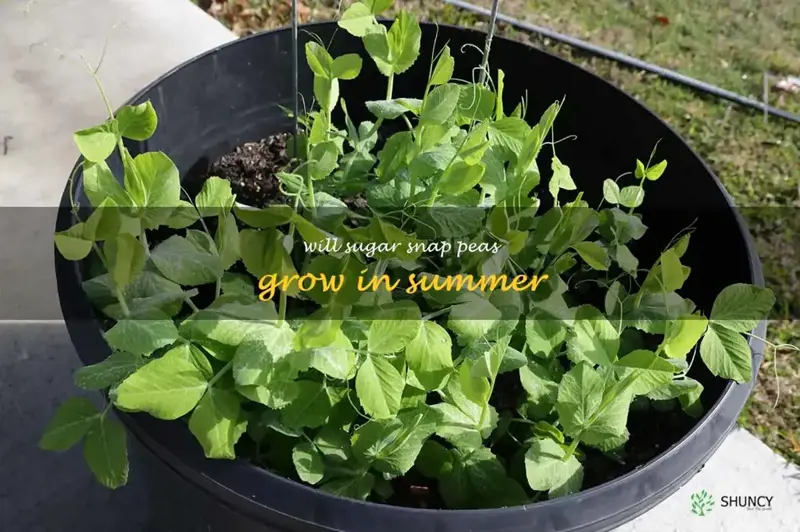
There's a special kind of magic that unfolds in the garden when fresh produce is ready for harvest. Among the most delightful treasures are Why Grow Sugar Snap Peas This Summer? Freshness & Versatility, those crunchy, slightly sweet pods that can go straight from the vine to your mouth. Imagine the satisfaction of plucking a vibrant green pea pod, feeling its crisp texture, and enjoying its sugary burst – a taste experience far superior to anything from a grocery store. While many associate peas with spring, growing sugar snap peas in summer is not only possible but incredibly rewarding, offering a continuous bounty when managed correctly. With a little attention to ideal temperatures, nutrient-rich soil, and robust support, you can cheer alongside your thriving pea plants as they deliver an abundant harvest.
Our own experiences have shown that these resilient plants are prolific producers, often yielding multiple cups a day once they get going. In fact, many gardeners successfully cultivate them twice a year, once for an early summer harvest and again for a fall bounty. The trick to consistent summer success lies in understanding and meeting their specific needs, ensuring they remain happy and productive even as the mercury rises.
Perfecting Your Pea Patch: Ideal Temperatures for Sugar Snap Peas
The Goldilocks Zone: Optimal Temperature Range
When it comes to nurturing sugar snap peas summer, temperature is arguably the most critical factor. These vibrant legumes thrive within a specific "Goldilocks Zone" where conditions are just right – not too hot, not too cold. The ideal temperature range for sugar snap peas typically hovers between 60°F (15°C) and 75°F (24°C). Within this window, the plants can photosynthesize efficiently, flower prolifically, and develop sweet, tender pods. Temperatures significantly outside this range can lead to various issues:
- Above 75°F (24°C): Sustained high temperatures can stress pea plants, causing them to cease flowering, produce fewer pods, or develop pods that are tough and starchy rather than sweet. It can also lead to bolting, where the plant prematurely goes to seed.
- Below 60°F (15°C): While peas tolerate cooler weather, prolonged cold can slow growth, delay flowering, and reduce overall yield.
For an early summer harvest, planting around mid-March, as we've done successfully, allows the plants to establish and produce heavily until the end of June, often before the peak summer heat truly sets in. This timing takes advantage of the milder spring temperatures leading into early summer.
Beating the Summer Heat: Strategies for Warmer Climates
If your region experiences scorching summers, don't despair! There are effective strategies to extend your sugar snap peas summer harvest:
- Strategic Planting Time: For a true summer crop, aim for very early spring planting so plants are established and producing before the most intense heat arrives. Or, consider a late summer planting for a fall harvest, avoiding the peak heat altogether.
- Partial Shade Solutions: In areas with consistently high temperatures, providing afternoon shade can be a game-changer. Plant peas where they receive morning sun but are protected from the harsh midday and afternoon sun by taller plants, a trellis covered with shade cloth, or the shadow of a structure. This helps keep the plants and soil cooler.
- Mulch, Mulch, Mulch: A generous layer of organic mulch (straw, wood chips, shredded leaves) around the base of your pea plants is indispensable. Mulch insulates the soil, keeping it significantly cooler and more consistently moist. This directly combats the adverse effects of heat on root systems and reduces watering frequency.
- Consistent Watering: Adequate moisture is crucial for heat-stressed plants. Ensure your peas receive deep, regular watering, especially during dry spells and hot weather. Avoid overhead watering late in the day, which can encourage fungal diseases; instead, opt for drip irrigation or watering at the base of the plant in the morning.
Cultivating the Foundation: Soil & Nutrient Needs
Building the Perfect Blend
The foundation for successful sugar snap peas summer growth lies in the soil. Peas, like most vegetables, thrive in well-draining, fertile soil rich in organic matter. Our preferred method is to grow them in a dedicated 4x4 raised bed, a manageable size that allows for intensive cultivation. We mix our native soil with generous amounts of compost and well-rotted manure.
- Compost: This "black gold" improves soil structure, enhances drainage, increases water retention, and provides a slow release of essential nutrients. It also introduces beneficial microorganisms to the soil.
- Manure: Well-aged manure adds a significant boost of nutrients, particularly nitrogen (though peas are nitrogen fixers, a balanced start is good) and vital micronutrients. Always use composted manure to avoid burning plants and introducing weed seeds.
- Drainage: Peas dislike "wet feet." Ensure your soil drains freely. If you have heavy clay soil, amend it heavily with organic matter to improve its structure.
- pH Level: Sugar snap peas prefer a slightly acidic to neutral soil pH, ideally between 6.0 and 7.0. A simple soil test can help you determine if amendments are needed.
This rich, friable soil blend provides the perfect environment for strong root development, which is essential for supporting those towering vines and heavy harvests.
Pre-Sprouting for a Head Start
For quicker germination and a more uniform stand, pre-sprouting your pea seeds is a highly recommended technique. This simple step can shave days off their emergence time and give your peas a head start, especially beneficial for sugar snap peas summer planting where you want them to establish quickly.
- Soak: Place your pea seeds in a bowl of lukewarm water for 8-12 hours (no longer than 24 hours). This softens the seed coat and kick-starts the germination process.
- Drain & Dampen: Drain the water and spread the seeds on a damp paper towel. Fold the paper towel over them and place it in a plastic bag or container to maintain humidity.
- Wait for Radicles: Check daily. Within 2-5 days, you should see small white rootlets (radicles) emerging from the seeds.
- Plant Carefully: Once a radicle appears, plant the seeds gently, root-side down, about 1 inch deep and 2-3 inches apart. Water immediately.
Pre-sprouting not only speeds up germination but also allows you to identify any non-viable seeds before planting, optimizing your garden space.
Reaching for the Sky: Essential Support for Towering Vines
Why Support is Non-Negotiable
One of the most impressive characteristics of many sugar snap pea varieties is their vigorous vining habit. These plants don't just grow tall; they can easily reach astounding heights of 10 feet or more! Without proper support, these ambitious vines will sprawl across the ground, creating a tangled mess. This not only makes harvesting difficult but also increases the risk of fungal diseases due due to poor air circulation and contact with moist soil. Supported plants are healthier, produce more, and are much easier to manage.
Creative Support Solutions
A tall fence is an excellent natural support, as witnessed in our own garden where peas easily scaled it. However, if a fence isn't available, there are numerous creative and effective support structures you can implement for your sugar snap peas summer crop:
- Trellises: Commercial trellises, either expandable or fixed, provide sturdy vertical support. Look for ones with large enough openings for the vines to intertwine but small enough for the tendrils to grip.
- Netting: Pea netting, made from nylon or natural fibers, is an affordable and effective option. Stretch it tautly between posts or stakes, ensuring it's at least 6-8 feet high, preferably 10 feet for vigorous varieties.
- Teepees: For a whimsical and functional solution, arrange three or four bamboo stakes or sturdy branches in a teepee shape, tying them securely at the top. Peas will readily climb the individual stakes.
- Stakes and String: A simple method involves driving sturdy stakes every few feet along your pea row and running horizontal lines of string or wire between them. As the peas grow, gently guide them to climb the string.
- Tomato Cages (for bush varieties): While vining sugar snaps need more height, compact bush varieties can benefit from stout tomato cages to keep them upright and contained.
No matter the method, ensure your support structure is installed at planting time, so the young seedlings have something to grab onto from the very beginning. For more in-depth guidance on supporting your pea plants, check out our article: Mastering Summer Sugar Snap Peas: Planting to Harvest.
From Blossom to Basket: Harvesting & Enjoying Your Bounty
The Art of Timely Picking
Once your sugar snap peas begin to produce, you'll find yourself needing a basket almost daily! These prolific plants reward frequent harvesting. The key is to pick them before the peas inside the pod get too large. If left on the vine for too long, they can become tough, fibrous, and develop a starchy flavor, losing that signature sweetness and crispness.
- Daily Checks: Make it a habit to check your plants every day, especially during peak production.
- Look for Plumpness: Harvest when the pods are plump and green, but before the individual peas within the pod are fully rounded and firm.
- Gentle Harvesting: We prefer cutting the peas off the vine with small snips or scissors rather than pulling. Pulling too forcefully can damage the delicate plant, potentially reducing future yields.
- Encourage More Growth: Frequent picking is not just about quality; it's about quantity. When you remove ripe pods, the plant is signaled to produce more flowers and, consequently, more peas. It's a fantastic feedback loop!
Preserving Your Peak Freshness
A typical harvest can yield multiple cups in a day. To put it into perspective, about one pound of sugar snap peas equals roughly four cups of strung peas. Once picked, you'll want to preserve their peak freshness:
- Refrigeration: Store fresh sugar snap peas in Ziploc bags in the refrigerator. To allow for some air circulation and prevent excessive moisture buildup, leave the bag open a tiny bit. They can easily last for a few weeks this way.
- Freezing: For longer storage, blanch them briefly (1-2 minutes in boiling water, then immediately into ice water) and freeze them. While fresh is always best, home-frozen peas far surpass store-bought varieties.
Savoring the Summer Snap
The true magic of homegrown sugar snap peas summer lies in their versatility and unparalleled taste. While 95% of peas grown commercially in the United States are processed (frozen or canned), growing your own means you get to experience them in their purest, most delicious form. You won't regret it the moment you taste a fresh snap pea picked just minutes ago!
- Eat Raw: This is arguably the best way to enjoy their crispness and sweetness. They make a perfect healthy snack, excellent in salads, or simply enjoyed straight from the garden.
- Barely Cook: If you choose to cook them, remember the golden rule: barely cook them! A minute in a hot pan, whether sautéed, stir-fried, or blanched, is all they need. Overcooking will cause them to lose their vibrant color, crisp texture, and precious sweetness, turning them into a dull, mushy imitation of their former glory.
- Versatile Culinary Uses:
- Toss them into a light pasta dish with butter and herbs.
- Add them to refreshing summer salads for crunch and sweetness.
- Stir-fry them with other seasonal vegetables and a light sauce.
- Include them in quick omelets or frittatas.
- Enhance rice dishes or couscous with their fresh flavor.
- Even add them towards the end of cooking in stews and soups to maintain their texture.
There's a deep satisfaction in tending to your plants, watching them grow from tiny seeds into towering vines, and then harvesting their abundant yield. Cultivating sugar snap peas in summer truly transforms your gardening experience, offering not just a crop, but a delightful journey of growth, harvest, and delicious discovery.
